Watercolor Christmas Koala Clipart Review
As a designer who spends half her life staring at stitch density charts and the other half worrying about how thread colors interact with fabric textures, I don’t just look for "cute." I look for viability. When Watercolor Christmas Koala Clipart landed on my desk, my first instinct wasn’t to admire the aesthetic—though it is charming—but to ask: does this translate well from screen to hoop?
I’ve reviewed countless digital assets for small businesses, Etsy sellers, and craft fair vendors. Many designs look stunning in high-resolution previews but fall apart when subjected to the physical realities of embroidery. This review is based on a practical evaluation of how this machine embroidery design performs in real-world applications, specifically focusing on its suitability for custom apparel, holiday gifts, and boutique merchandise.
First Impressions: Mood and Visual Personality
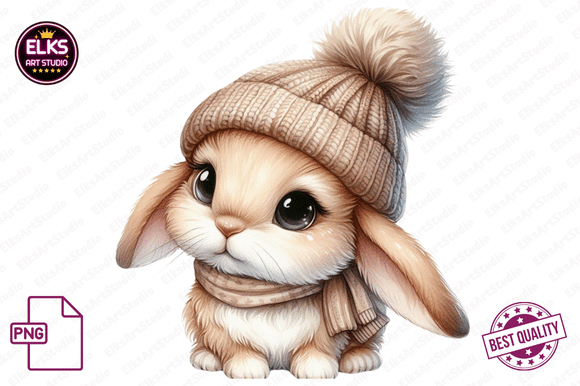
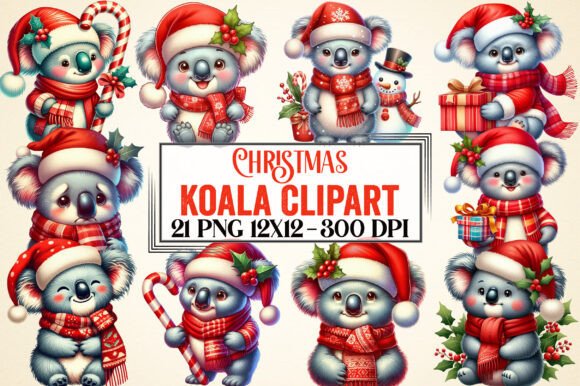
The immediate appeal of this illustrations category piece lies in its softness. Unlike rigid vector graphics that can sometimes feel cold or corporate in embroidery, the watercolor aesthetic brings a hand-painted warmth that resonates deeply during the holiday season. The koala subject matter strikes a balance between whimsical and cozy, making it an excellent choice for brands that want to project approachability and comfort.
Visually, the layout feels balanced. There is enough negative space around the central figure to allow for effective framing, whether you are placing it on the chest of a sweatshirt or centered on a tote bag. The color palette, typical of watercolor styles, relies on gentle gradients rather than harsh outlines. This is crucial because it allows the design to blend naturally with various fabric backgrounds without looking like a sticker slapped onto the material. It feels organic, which is exactly what modern handmade product buyers are seeking.
Real-World Application: Where This Design Shines
In my testing scenarios, Watercolor Christmas Koala Clipart proved most effective on items where texture plays a supportive role rather than a distracting one. Here is how it performed across different product categories:
- Custom Apparel and Sweatshirts: On light-colored cotton fleece or French terry, the design pops beautifully. The soft edges of the watercolor style complement the fuzzy texture of sweatshirt fabric, creating a cohesive, high-end look. It works particularly well for sweatshirt embroidery targeted at holiday markets or family matching sets.
- Baby Embroidery Items: This is perhaps the strongest use case. For onesies, burp cloths, and nursery decor, the gentle theme fits perfectly. Parents often look for items that feel soft and safe visually, and this design delivers that emotional connection. It adds significant value to a personalized gift because it feels thoughtful rather than mass-produced.
- Tote Bags and Aprons: When applied to canvas or heavy cotton twill, the design holds up well. However, I recommend keeping the placement relatively large (at least 4–5 inches wide) to ensure the subtle details remain visible. A tote bag design featuring this koala makes for an excellent craft business item, especially when paired with simple, clean typography.
- Holiday Embroidery Gifts: Whether it’s a kitchen towel, pillow cover, or a set of coasters, this design screams "gift-ready." Its festive yet neutral tone means it appeals to a broad audience, not just those who love animals. It fits seamlessly into commercial embroidery collections aimed at the Q4 holiday rush.
Technical Considerations and Stitching Clarity
While the visual appeal is high, the technical execution requires careful planning. Watercolor styles often rely on fine lines and subtle color shifts. In embroidery, these must be translated into stitch density, fill stitch, and potentially applique design techniques.
If the original file contains very thin, delicate lines, there is a risk they may disappear or become muddy if the stabilizer isn't chosen correctly or if the hooping tension is too tight. I strongly advise reviewing the embroidery file structure before running it on your final product. Look for areas where running stitch might be used for detailing; ensure these stitches are long enough to avoid puckering but short enough to maintain definition.
Thread color contrast is another critical factor. Because the watercolor effect is soft, using overly bright or neon threads can ruin the subtlety. Stick to muted tones, pastels, or classic holiday reds and greens that have a slight desaturation. If you are working with dark fabric, consider underlay stitches or a lighter base layer to prevent the design from looking dull. Always test your thread colors against your actual fabric swatch, as monitor colors rarely match fabric dye lots perfectly.
Where to Use With Caution
No design is universal, and Watercolor Christmas Koala Clipart has specific limitations that every Etsy seller and small shop product creator should know:
- Small Hoop Sizes: Avoid scaling this down too much. If the design is smaller than 3 inches, the watercolor nuances will vanish, leaving just a blob of color. It needs breathing room to shine.
- Textured Fabrics: While it looks good on smooth cottons, highly textured fabrics like chunky knits or bouclé can obscure the fine details. In such cases, the design might get lost in the weave.
- Stretchy Fabrics: Thin jersey or spandex blends can distort the shape if not stabilized properly. The weight of the fill stitch might cause sagging over time, especially on items like hats or fitted shirts.
- Curved Surfaces: Applying this to caps or curved hat panels requires advanced digitizing skills to ensure the image doesn’t warp. It is better suited for flat surfaces like bags, pillows, and flat garments.
- Frequent Washing: For items like aprons or kitchen towels that undergo frequent laundering, ensure the design uses durable stitch patterns. Delicate satin stitches may fray faster than dense fill stitches.
Impact on Brand and Customer Trust
From a marketing perspective, using a high-quality, aesthetically pleasing design like this enhances brand consistency. Customers associate professional-looking embroidery with quality craftsmanship. When a buyer sees a crisp, well-executed embroidered patch or custom apparel item, their trust in the maker increases.
This design also boosts buyer engagement. The unique combination of a beloved animal with a seasonal theme creates a "shareable" moment. Customers are more likely to post photos of their purchases on social media if the design is distinctive and emotionally resonant. This organic marketing is invaluable for digital product sellers and physical goods makers alike.
Practical Designer Notes for Implementation
Before committing to a production run, follow these steps to ensure success:
- Test on Scrap Fabric: Never assume a design will work on your target material without a test run. Check for puckering, thread breaks, and color accuracy.
- Review Stitch Density: Ensure the design isn’t too dense for the fabric weight. Too much thread can make the item stiff and uncomfortable.
- Inspect Small Details: Zoom in on the digital preview. Are any elements too small to stitch reliably? Simplify if necessary.
- Check Licensing: Confirm whether the design assets allow for commercial use. If you plan to sell finished products, you need explicit permission. Do not guess.
- Use Proper Stabilizer: Match your stabilizer to the fabric. Cut-away for stretchy items, tear-away for wovens.
- Compare Light vs. Dark Backgrounds: See how the design changes on different colors. You may need to adjust thread choices for dark fabrics.
- Black and White Mockups: View the design in grayscale to check contrast levels. If it lacks contrast in black and white, it may lack definition in color.
Ultimately, Watercolor Christmas Koala Clipart is a strong candidate for designers looking to add a touch of elegance and warmth to their holiday collections. It bridges the gap between cute and sophisticated, making it versatile for a wide range of embroidery projects. Just remember: the best designs are those that respect the medium. Test thoroughly, choose your materials wisely, and let the quality of your stitching speak for itself.