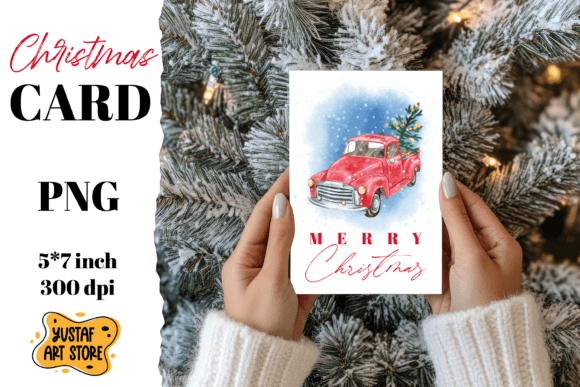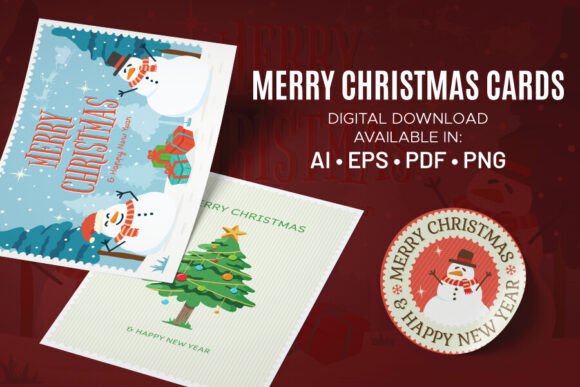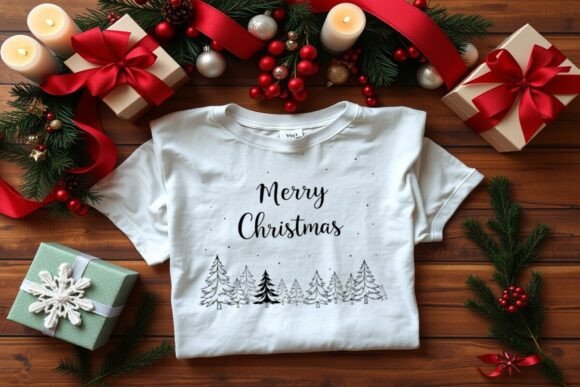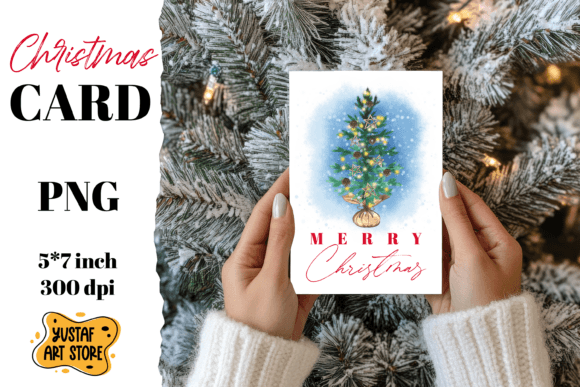
Merry Christmas Card . Christmas Tree
When I sit down to evaluate a new digital asset for my studio, I am rarely looking at it as just a picture. I am looking at how it will behave under the needle. As a designer who regularly produces custom apparel and boutique holiday merchandise, I have learned that the gap between a beautiful illustration and a successful embroidery project is often defined by stitch density, negative space, and fabric interaction. Today, I am taking a close look at the design titled "Merry Christmas Card . Christmas Tree" from the Illustrations category. This review focuses on its practical application in real-world production scenarios, specifically for Etsy sellers, craft fair vendors, and small business owners looking to expand their holiday inventory.
First Impressions and Visual Personality
The moment you load this file into your digitizing software or preview it on a mockup, the mood is immediately established. It carries the nostalgic warmth of a classic holiday card but with a structure that feels modern enough for contemporary home decor. The central motif—a stylized Christmas tree—is clean and recognizable. For an embroidery designer, recognition is key. You want your customer to glance at a tote bag or a sweatshirt and instantly know what they are looking at without squinting.
This design strikes a balance between detail and simplicity. It avoids the cluttered look that often plagues lower-quality vector imports. The visual personality is cheerful yet refined, which makes it versatile. It does not scream "loud party decoration"; rather, it whispers "cozy winter evening." This subtlety is crucial for high-end handmade products. When customers invest in personalized gifts or boutique items, they are often seeking a sense of elevated craftsmanship. This design supports that narrative by offering a clear, uncluttered focal point that allows the quality of the stitching to take center stage.
Real-World Application: Where This Design Shines
In my testing, I found that "Merry Christmas Card . Christmas Tree" performs exceptionally well in specific categories of custom apparel and home goods. Because the shape is relatively contained, it translates beautifully onto structured items where tension can be managed effectively.
- Holiday Tote Bags: This is perhaps the strongest use case. Placing this design on a canvas or cotton duck tote creates an instant tote bag design staple for the season. The vertical orientation of the tree mirrors the natural drape of the bag, creating a harmonious aesthetic. It works particularly well when paired with neutral-colored threads to let the fabric texture speak, or with metallic golds for a touch of luxury.
- Kitchen Towels and Tea Towels: Linen or cotton tea towels are a perennial bestseller for craft business owners. The design’s clean lines hold up well on these porous fabrics, provided the correct stabilizer is used. It adds a festive touch to kitchenware without overwhelming the textile’s natural weave.
- Baby Embroidery Items: For those making baby embroidery gifts like onesies or burp cloths, the softness of the theme is ideal. However, caution is required here regarding scale. On smaller garments, the design must be resized carefully to ensure it remains legible and does not feel cramped against seams or snaps.
- Home Decor and Pillows: As a decorative accent on throw pillows or nursery decor, this design offers a professional finish. The symmetry of the tree provides a pleasing anchor for living room aesthetics, fitting seamlessly into both traditional and modern holiday styling.
Technical Considerations and Stitch Behavior
Transitioning from screen to fabric requires careful planning. While the source file is an illustration, the final result depends entirely on how it is rendered as a machine embroidery design. Here is what you need to consider before running the first test piece.
Stitch Density and Clarity
The core of this design likely relies on a combination of fill stitches for the body of the tree and satin stitches for any outlining or text elements. If the stitch density is too high, the fabric may pucker, especially on lighter materials. Conversely, if it is too sparse, the underlying fabric color may show through, ruining the contrast. Always inspect the digitization closely. Look for areas where the needle penetrates the same spot repeatedly; these should be minimized to prevent thread breaks and fabric distortion.
Fabric Texture and Background
This design looks stunning on solid backgrounds. Whether you are working with a dark wool felt for a embroidered patch or a crisp white cotton for a sweatshirt embroidery project, the contrast is vital. On textured fabrics like bouclé or heavy denim, fine details might get lost. In such cases, I recommend simplifying the design or using a heavier weight thread to ensure the shapes remain distinct. Avoid using this on stretchy knits unless you are using a rigid tear-away stabilizer, as the curvature of the garment can distort the circular or triangular elements of the tree.
Small Details and Lettering
If the design includes the phrase "Merry Christmas," pay close attention to the lettering. Tiny serif fonts can become illegible blobs after washing. Ensure that the letters have adequate spacing (kerning) and that the stroke width is sufficient for the chosen hoop size. If you are downsizing this design for a cap or a small pocket placement, verify that the text remains readable. If it becomes a blur, it is better to omit the text and focus solely on the graphic strength of the tree.
Where to Use Carefully
There are certain environments where this design might struggle. Be cautious when applying it to curved surfaces like baseball caps or beanies without proper reshaping techniques. The flat nature of the original illustration may not account for the curvature of the head, leading to gaps or overlapping stitches. Additionally, avoid using this on thin, sheer fabrics without a backing stabilizer, as the weight of the thread could pull the material out of shape. For commercial embroidery projects involving frequent washing, such as work aprons, ensure the thread colors are colorfast and the stitch anchors are secure.
Strategic Advice for Sellers and Makers
For Etsy sellers and digital product sellers, the presentation of this design is just as important as the stitching itself. Before listing a finished product, create printable mockups that showcase the design on various items. Show it on a beige tote, a navy sweatshirt, and a cream-colored pillow. This helps potential buyers visualize the item in their own homes.
Furthermore, always test the design in black and white. This removes the distraction of color and forces you to evaluate the composition and balance of the shapes. If the design looks weak in grayscale, it will likely lack impact in full color. Also, confirm your licensing terms. Even though this is a purchased design asset, ensure you have the right to sell finished physical goods made with it. Some licenses restrict commercial use or require attribution.
Finally, remember that consistency builds trust. Using high-quality designs like "Merry Christmas Card . Christmas Tree" signals to your customers that you care about the details. It elevates your brand from a hobbyist stall to a professional boutique. By paying attention to stabilizers, thread choices, and fabric selection, you can turn this simple illustration into a cherished personalized gift or a standout item in your shop.
In conclusion, this design is a strong contender for your holiday collection. It is versatile, visually appealing, and technically sound for most standard embroidery applications. With proper preparation and execution, it has the potential to become a favorite among your customers, bringing a touch of classic holiday charm to their everyday items.