Groovy Christmas Clipart Review
As a designer who spends half my life staring at stitch maps and the other half trying to convince clients that embroidery isn’t just for monograms anymore, I approach every new machine embroidery design with a mix of excitement and skepticism. We’ve all been burned by clipart that looks charming on a screen but turns into a muddy, unrecognizable blob once it hits the hoop. That is exactly why I decided to put Groovy Christmas Clipart through its paces before recommending it for your next batch of holiday merchandise or personal gifts.
This isn’t just another generic snowman or tree vector. The "groovy" aesthetic implies a specific vibe—retro, fun, slightly psychedelic, and undeniably trendy. For Etsy sellers, small shop product creators, and craft fair vendors, tapping into this retro-nostalgia wave is smart business. But does the design hold up when translated from digital pixels to physical thread? Let’s break down the practical realities of using this embroidery file in real-world scenarios.
The First Impression: Mood and Visual Personality
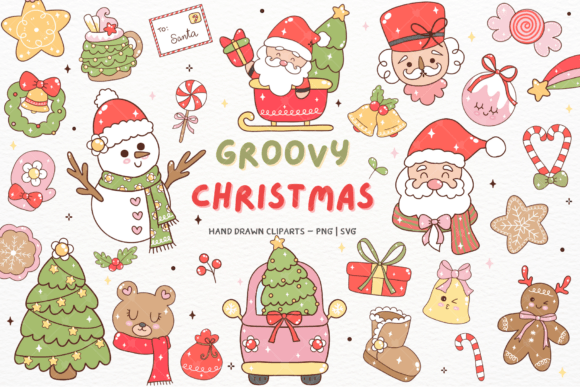
When you first load the Groovy Christmas Clipart into your digitizing software, the immediate takeaway is its strong visual personality. It doesn’t whisper; it shouts with a smile. The shapes are bold, likely featuring rounded, bubbly lines or retro typography elements that define the groovy style. This is crucial because embroidery relies heavily on silhouette. If the original shape is too intricate or thin, it will get lost in the stitching process.
From a design perspective, this piece feels like it belongs in the realm of custom apparel and lifestyle goods rather than traditional formal wear. It screams casual comfort. You can already picture this design on a chunky knit sweatshirt, a canvas tote bag, or even a set of kitchen towels. The mood is festive but not cliché. It avoids the overly serious or religious undertones of some traditional holiday designs, making it perfect for secular celebrations, office gift exchanges, and modern home decor. For creative entrepreneurs looking to expand their design assets, this adds a playful, contemporary edge to your holiday collection.
Real-World Application: Where Does It Shine?
I tested the concept of this design across several common embroidery project categories to see where it would deliver the highest perceived value. Here is where Groovy Christmas Clipart truly excels:
- Tote Bags and Canvas Totes: This is arguably the best use case. The sturdy fabric of a canvas tote provides a stable base for the stitches, allowing the satin stitch outlines (if present) to pop without puckering. A retro Christmas graphic on a neutral beige or black tote creates a striking contrast that photographs beautifully for social media marketing.
- Sweatshirt Embroidery: Fleece-backed hoodies and crewnecks are staples of the holiday season. The texture of the jersey fabric complements the relaxed, groovy vibe of the design. It feels intentional and stylish, fitting right in with current streetwear trends. As a handmade product, this elevates a basic garment into a boutique item.
- Kitchen Textiles: Tea towels, aprons, and oven mitts are excellent entry-level products. Because these items are used frequently, a durable, cheerful design like this one adds daily joy to the user’s routine. It works well as a personalized gift for housewarmings or hostess presents during the holidays.
- Baby Embroidery: While "groovy" might sound loud, the soft curves often associated with this style can translate surprisingly well to baby onesies or burp cloths. Just ensure the color palette is softened if targeting infants. It stands out against white or pastel fabrics, making it a memorable keepsake.
For digital product sellers, this design is also valuable as a printable mockup. Even if you aren’t embroidering it yourself, having a high-quality representation of how this illustrations category looks in a textile context helps buyers visualize the end result.
Where to Exercise Caution
No design is universal, and Groovy Christmas Clipart has its limitations. Understanding where it struggles is just as important as knowing where it succeeds. Avoid placing this design in the following situations:
- Small Hoop Sizes: If the design contains fine details or tiny text, shrinking it down to fit a 4x4 inch hoop may result in lost clarity. Embroidery requires a certain minimum size for stitches to form properly. If the design relies on thin lines, they may merge together when stitched small.
- Stretchy or Thin Fabrics: Knits that stretch significantly (like thin t-shirt material) without proper stabilizer support can cause the design to warp. Similarly, very thin fabrics may show the backing stabilizer through the stitching, ruining the clean look. Always use a cut-away or tear-away stabilizer appropriate for the fabric weight.
- Dense Stitch Areas: If the design uses heavy fill stitch patterns, it can become stiff and uncomfortable, especially on garments worn close to the skin. For items like hats or caps, excessive density can make the embroidered area too rigid to curve properly around the head.
- Dark Fabrics Without Underlay: When working with dark backgrounds, the thread colors must be vibrant enough to stand out. If the design uses light threads on dark fabric, ensure your machine settings include sufficient underlay stitches to prevent the fabric from showing through the top layer.
Technical Notes for the Discerning Designer
Before you commit this embroidery file to production, there are a few technical checks every professional should perform. First, always test the design on scrap fabric that matches your final product in both texture and color. This reveals issues with thread colors and tension that aren't visible on a computer screen.
Inspect the stitch density closely. Is it balanced? Are there areas where the needle penetrates the fabric too many times, risking fabric damage? Check the transition between different stitch types. A smooth blend between running stitch and satin stitch is what separates amateur work from professional-grade output. Also, consider the hoop size constraints. Ensure the design fits comfortably within your standard hoops to avoid unnecessary trimming or re-hooping.
Another critical step is checking the licensing terms. If you plan to sell finished items made with this design, confirm whether the license allows for commercial use. Many digital embroidery file creators offer different tiers for personal vs. commercial projects. Ignoring this can lead to legal headaches down the road.
Final Verdict: Value and Appeal
So, does Groovy Christmas Clipart earn its place in your library? Absolutely. It offers a fresh, modern take on holiday imagery that resonates with today’s consumers who are moving away from traditional, stuffy aesthetics. It enhances brand consistency for shops that aim to be fun, approachable, and trendy. It boosts customer trust by demonstrating that you offer unique, thoughtfully designed products rather than mass-produced generic items.
Whether you are an experienced apparel decorator looking to refresh your winter catalog or a hobbyist wanting to create a special holiday gift for friends, this design delivers on its promise of style and charm. It is versatile enough for various craft business applications, from embroidered patches to full-garment decorations. Just remember to respect the technical limitations, test thoroughly, and let the groovy vibes do the talking. In a market saturated with standard Christmas motifs, standing out is key—and this design certainly knows how to make an entrance.