Christmas Puppy Clipart Review
As a designer who spends more time troubleshooting stitch paths than drinking coffee, I approach every new embroidery file with a healthy dose of skepticism. The market is flooded with generic clip art that looks charming on screen but falls apart under the needle. When I first pulled up Christmas Puppy Clipart, my initial instinct was to check the line weight and overall silhouette. Would it hold up? Could it translate from a flat digital illustration into a tactile, three-dimensional handmade product? After running through some mental simulations and reviewing the visual personality of the piece, I have some practical thoughts for anyone considering this for their next embroidery project.
First Impressions: Mood and Visual Personality
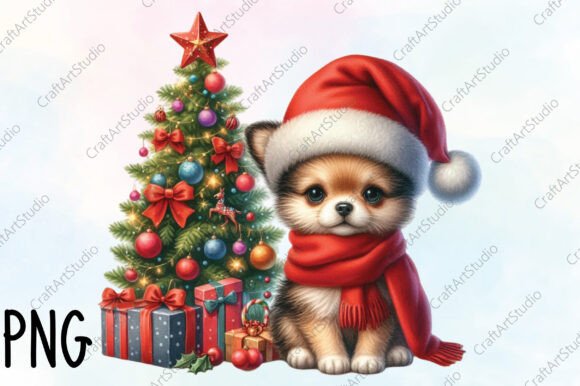
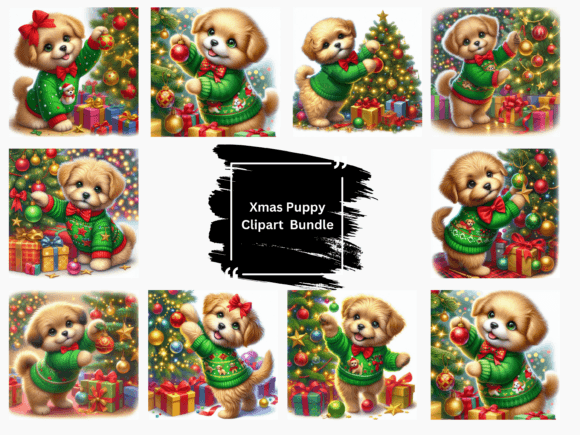
The immediate draw of Christmas Puppy Clipart is its emotional resonance. It isn’t just a dog; it’s a holiday sentiment wrapped in fur. For designers creating personalized gift items or boutique merchandise, mood is everything. This design carries a warmth that feels perfect for the winter season. It evokes feelings of nostalgia, comfort, and joy—emotions that drive sales in the craft business.
Visually, the layout strikes a balance between detailed enough to be interesting and simple enough to embroider cleanly. The shape reads clearly even when scaled down. In the world of machine embroidery design, readability is king. If a customer can’t instantly recognize the subject, the design has failed. Here, the puppy’s features are distinct, and the Christmas elements (likely a hat, scarf, or ornaments) add context without cluttering the composition. It feels like a solid choice for holiday embroidery collections where you want something festive but not overly busy.
Real-World Application: Where This Design Shines
I’ve been thinking about how Christmas Puppy Clipart would look on actual products, not just in a mockup generator. Let’s talk about real use cases. This design screams "custom apparel" and "baby items." Imagine this stitched onto a cream-colored baby onesie or a soft burp cloth. The contrast between the white fabric and colorful threads would make the puppy pop, creating an instant heirloom-quality feel. It fits perfectly into the nursery decor niche, offering a gentle, inviting aesthetic that parents love.
For the Etsy seller or small shop owner, versatility is key. This digital embroidery file works beautifully on tote bags. A canvas tote with this puppy centered on the chest area becomes a practical yet adorable accessory for holiday shopping trips. It also translates well to kitchen towels and aprons. Picture a flour sack towel with this design near the hem—it adds a touch of homey charm that elevates a basic utility item into a special finished product.
It’s also worth noting its potential as an embroidered patch. If you plan to sew patches onto denim jackets or backpacks, the clear outlines of this design allow for clean applique work or dense satin stitching. It gives off a vintage badge vibe that pairs nicely with rugged fabrics like denim or corduroy. For commercial embroidery projects, such as branded merch for a local pet store or a holiday pop-up booth, this design offers broad appeal without being too niche.
Technical Considerations and Stitch Performance
While the concept is strong, we need to talk about execution. How does Christmas Puppy Clipart behave when converted to stitches? The success of any embroidery project hinges on stitch density and detail management. If the original illustration has tiny, intricate lines, those might turn into mush if the stitch count is too high. Conversely, if it’s too sparse, it might look unfinished on textured fabrics.
When digitizing or selecting this file, pay close attention to the satin stitch quality around the eyes and nose. These are focal points. If they aren’t defined well, the puppy loses its character. Similarly, check the fill stitch areas. Are there large blocks of color? Ensure the underlay is sufficient to prevent fabric puckering, especially if you’re working with lightweight materials. For thread colors, you’ll want to choose palettes that complement the holiday theme—think deep reds, forest greens, golds, and crisp whites. Avoid muddy tones that can make the design look dull after washing.
One critical step before committing to production is testing the design in black and white. This helps you see the true value contrast. Does the dark thread stand out against the light background? Is there enough separation between different colored sections? This simple trick saves hours of re-digitizing later. Also, consider the hoop size. If the design is quite large, ensure your machine can handle it comfortably. Small hoops often limit your creative freedom, so verify that the dimensions fit your intended garment or accessory.
Where to Use Caution
No design is universally perfect, and Christmas Puppy Clipart has its limitations. Be cautious when using this on highly textured fabrics like heavy tweed or bouclé. The texture can obscure fine details, making the puppy look blurry. Thin fabrics require extra care; without proper stabilizer, the tension might pucker the material, ruining the drape of the final item. Stretchy knits, common in sweatshirt embroidery, demand a tear-away or cut-away stabilizer to keep the shape stable during stitching.
Avoid placing this design on curved surfaces like baseball caps unless you are experienced with cap hoops. The distortion can warp the symmetry of the puppy’s face. Additionally, if you plan to include small lettering alongside the image, ensure the font size is large enough to remain legible. Tiny text often gets lost in the stitch density of surrounding fills. Finally, remember that frequent washing can wear down delicate threads. For items like tote bag design elements that will see heavy use, consider reinforcing high-stress areas with additional passes or stronger thread types.
Final Verdict for Designers and Sellers
Overall, Christmas Puppy Clipart is a charming, versatile asset for any designer’s library. It captures the essence of the season while remaining practical for various applications. From apparel decorators looking to refresh their winter catalog to creative entrepreneurs crafting unique gifts, this design offers a reliable foundation for beautiful results.
Before adding this to your workflow, do your due diligence. Test it on scrap fabric. Check the licensing terms carefully—if you intend to sell finished items, ensure you have commercial rights. Compare it against other design assets in your collection to ensure it doesn’t overlap too heavily with existing offerings. By taking these steps, you protect your brand reputation and ensure customer satisfaction.
In conclusion, this is a solid pick for anyone wanting to add a touch of festive cheer to their craft business. It’s cute, it’s cozy, and with proper technique, it will stitch up beautifully. Just remember: good design starts with careful planning and ends with a well-executed finish. Happy stitching!