Christmas in Europe. Old House. JPG Review
As a designer who spends more time looking at stitch density and fabric grain than actual Christmas decorations, I approach every new embroidery file with a healthy dose of skepticism. We have all seen the generic snowflakes and cartoon Santas that clutter our digital libraries. But when I first opened the Christmas in Europe. Old House. JPG, something felt different. It wasn’t just another clip-art image; it had a narrative weight to it. This is an illustrations category piece that begs to be translated into thread, but does it survive the jump from screen to hoop? That is what this review explores.
The First Impression: Mood Over Madness
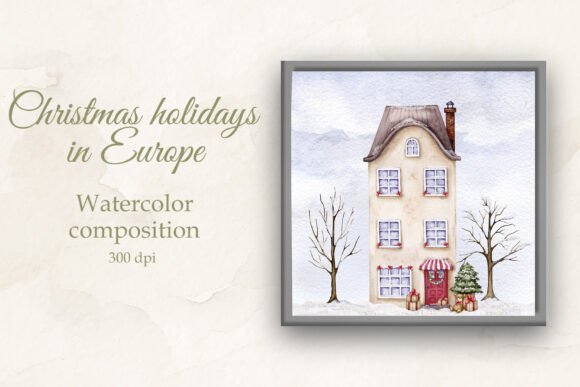
The title Christmas in Europe. Old House. JPG suggests a specific aesthetic: rustic, nostalgic, and steeped in tradition. Visually, it delivers exactly that. Unlike the high-contrast, neon-bright designs that scream for attention on a rack of discount tote bags, this design whispers. It evokes the feeling of a quiet evening in a cobblestone village, perhaps somewhere in the Alps or a historic district in Prague or Vienna. The "Old House" element provides a strong structural anchor—a focal point that feels grounded and timeless.
For the handmade product creator, this mood is gold. It moves away from the kitschy and toward the elegant. When you look at the layout, there is a clear hierarchy. The architecture of the house dominates the frame, likely surrounded by subtle festive elements like snow-dusted roofs or soft garlands. This balance is crucial because it allows the embroidery machine to breathe. A design that is too busy can look muddy after stitching, especially if the thread colors are not chosen with extreme care. Here, the negative space seems intentional, giving the eye room to rest.
Real-World Application: Where Does This Design Shine?
I don’t believe in using designs in isolation. To truly judge an embroidery project, you have to imagine it on a finished product. So, let’s put Christmas in Europe. Old House. JPG to work. My immediate thought was a custom embroidered tote bag design. Imagine a heavy canvas bag in natural oatmeal or deep forest green. Placing this architectural scene on the front panel creates an instant conversation starter. It appeals to the traveler, the history buff, and the lover of European aesthetics. It transforms a simple bag into a boutique item.
However, its versatility extends far beyond bags. For the Etsy seller looking to tap into the holiday market, this design is perfect for sweatshirt embroidery. Think of a cream-colored crewneck or a charcoal gray hoodie. The contrast of white or silver metallic threads against a dark fabric would make the "old house" details pop without being overwhelming. It fits the current trend of "quiet luxury" in apparel—subtle, sophisticated, and warm.
Another strong contender is the apron. A linen apron with this design stitched near the pocket area suggests a cozy kitchen scene. It pairs beautifully with the idea of baking gingerbread or mulled wine during the holidays. For personalized gift markets, consider pillow covers or tea towels. The rectangular nature of many house illustrations lends itself well to these formats. It adds a touch of heritage to a modern home, making it an ideal wedding gift or housewarming present for someone who appreciates old-world charm.
Technical Considerations and Stitch Clarity
Now, let’s talk shop. As an experienced reviewer, I need to know how this holds up under the needle. The success of any machine embroidery design relies heavily on stitch density and detail resolution. If the original illustration contains tiny window panes, intricate roof shingles, or delicate ivy, the digitizer must decide which details to keep and which to simplify. Too much fine detail in a small hoop size can result in a tangled mess of thread, known as bird nesting, or simply lost definition.
I recommend testing this design carefully before committing to a full production run. Start with a scrap of the final fabric type. If you are planning to use this on a cap or hat, be cautious. Curved surfaces distort straight lines, and complex architectural shapes can warp if the base material stretches. For curved items, a simpler version of the design with fewer horizontal lines might be safer. Conversely, flat surfaces like kitchen towel linens or pillow covers will showcase the design’s integrity best.
Pay close attention to the stabilizer choice. Because this design likely features both fill stitches (for the walls and roofs) and potentially satin stitches (for outlines or decorative borders), stability is key. A cut-away stabilizer is often recommended for woven fabrics to prevent puckering, while a tear-away might suffice for sturdy cottons used in tote bags. Always test the hooping tension; if the fabric shifts, those precise architectural lines will become jagged and unprofessional.
Fabric and Color Strategy
The visual appeal of Christmas in Europe. Old House. JPG is heavily dependent on your background fabric. Dark fabrics demand bright, saturated threads to ensure visibility. Light fabrics allow for softer, pastel, or muted tones that enhance the vintage feel. I also advise checking the design in black and white mockups. Sometimes, a color combination looks vibrant on screen but lacks sufficient contrast once stitched. If the shadows and highlights rely on subtle color shifts rather than texture, they may disappear in the final product.
Commercial Viability and Brand Consistency
For the craft business owner, this design offers a unique selling proposition. It is not generic. It has character. In a market flooded with mass-produced holiday goods, a design that tells a story helps build brand loyalty. Customers trust handmade products that feel authentic. By using a design that evokes a specific place and time, you are selling an experience, not just a commodity.
This is particularly relevant for commercial embroidery projects targeting niche audiences. Think of boutique hotels, bed and breakfasts, or local cafes in European-style towns. They might order this design for staff uniforms, guest amenities, or promotional materials. The design’s elegance ensures it doesn’t look cheap, preserving the perceived value of the finished product.
However, always verify licensing terms. Even though this is listed under digital embroidery file assets, the rights to sell physical items made from it can vary. Ensure you have the commercial license before listing your small shop product on platforms like Etsy or Amazon Handmade. Protecting your intellectual property and respecting the artist’s rights is part of being a professional.
Final Verdict
Christmas in Europe. Old House. JPG is a standout piece for designers who want to move beyond the ordinary. It brings a sense of place and history to the embroidery hoop. Whether you are creating a holiday embroidery collection, designing baby embroidery items with a classic twist, or producing high-end custom apparel, this design provides a solid foundation. Its strength lies in its atmospheric quality and structural clarity.
Just remember to respect the technical limits of the medium. Test thoroughly, choose your fabrics wisely, and let the design’s inherent charm do the talking. When executed correctly, this isn't just an image stitched onto cloth; it's a miniature window into a snowy, serene European past, brought to life by thread and needle.