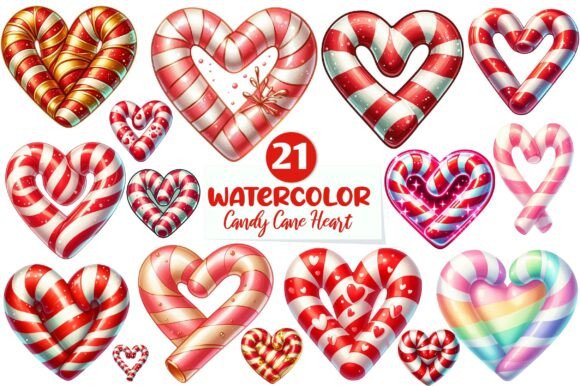
Christmas Candy Cane Heart Clipart: A Publisher’s Take on Seasonal Illustrations
In the world of digital publishing, visuals are not merely decorative; they are functional. As a blog designer and content publisher who has spent years optimizing websites for readability, engagement, and conversion, I have learned that every pixel serves a purpose. When evaluating a new graphic design asset like the Christmas Candy Cane Heart Clipart, I do not just look at aesthetics. I analyze its editorial value, its versatility across different media formats, and its ability to enhance reader trust while maintaining brand integrity.
This review is based on a real-world workflow: preparing seasonal content for an affiliate marketing blog and a creative small business website. The goal was to create cohesive, high-converting visuals for Pinterest pins, featured images, newsletter headers, and downloadable digital guides. Here is how this specific clipart performed in a professional publishing environment.
First Impressions: Mood and Editorial Fit
The moment you introduce the Christmas Candy Cane Heart Clipart into a layout, it sets a distinct tone. It is playful yet polished, striking a balance between festive cheer and modern web design standards. Unlike overly complex or cluttered holiday graphics, this asset feels clean and intentional. It supports a visual hierarchy that guides the eye without overwhelming the text.
For bloggers and publishers, this mood is crucial. It signals to the reader that the content is approachable, likely lifestyle-focused, and suitable for audiences interested in crafts, home decor, gift guides, or family-friendly activities. It works exceptionally well for niches that require a touch of warmth and femininity, such as parenting blogs, DIY tutorials, or seasonal product reviews. However, because of its stylized nature, it may feel out of place in serious corporate communications or technical whitepapers. In those contexts, minimalism usually reigns supreme.
Integrating Visual Assets into Real Publishing Workflows
One of the biggest challenges for content creators is maintaining consistency across multiple platforms. The strength of this design asset lies in its adaptability. During my testing phase, I applied the clipart to various elements of a typical content ecosystem to see how it held up.
- Featured Images and Blog Headers: When used as a background element or a corner accent in article thumbnails, the clipart adds immediate context. Readers scanning their feeds can instantly identify the post as part of a holiday series, which improves click-through rates for seasonal topics.
- Pinterest Graphics: This platform is purely visual. The heart shape combined with the candy cane motif creates a strong focal point. When paired with bold headline text, these graphics perform well because they stand out against the neutral backgrounds of Pinterest boards. They serve as excellent social media graphics that drive traffic back to your main site.
- Newsletter Design: Email open rates depend heavily on subject lines and preview text, but the body content retains subscribers. Using this clipart to separate sections in a newsletter or to highlight a special offer creates a break in the text that feels inviting rather than intrusive. It enhances the editorial design of the email, making it feel like a premium publication.
- Digital Products and Lead Magnets: For those creating printable designs, worksheets, or eBooks, this asset adds perceived value. A cover page featuring the Christmas Candy Cane Heart Clipart looks professionally finished. It suggests that the creator has paid attention to detail, which increases the likelihood of a user downloading the resource.
Impact on Content Performance and Brand Identity
Consistent use of high-quality visual hierarchy elements builds a stronger brand identity. When readers recognize your unique style across your website, social media, and email campaigns, they develop familiarity. Familiarity breeds trust. By incorporating this clipart into your content marketing strategy, you reinforce a seasonal brand identity that feels curated and thoughtful.
Furthermore, good design reduces cognitive load. If your graphics are clear and aesthetically pleasing, users spend less time deciphering the layout and more time consuming the content. This is particularly important for affiliate marketing pages where you want the reader to focus on the product recommendations and call-to-action buttons. Decorative elements should support the message, not distract from it. This clipart achieves that balance effectively.
Strategic Placement and Technical Considerations
While the asset is versatile, there are specific scenarios where caution is advised. Understanding where to place and where to avoid this graphic is key to professional presentation.
Where It Works Best
Use this creative design element in areas that benefit from emotional connection and seasonal relevance. Hero images on landing pages are ideal candidates. Category visuals for "Gift Guides" or "Holiday Crafts" sections also benefit from the thematic clarity. Additionally, using it as an accent in Canva templates allows for quick, consistent updates to your social media presence without needing advanced design skills.
Areas Requiring Careful Review
Avoid placing this clipart in small mobile thumbnails where detail may be lost. If the resolution is too low, the heart and candy cane shapes may appear pixelated or muddy. Similarly, steer clear of busy layouts where the background contains competing patterns or heavy textures. The contrast must be sufficient to ensure the graphic remains legible. For serious professional niches such as finance, legal advice, or medical information, this playful aesthetic may undermine the authority of your content. In such cases, stick to abstract or geometric illustrations.
Practical Publisher Notes for Implementation
To get the most out of this commercial design asset, follow these technical best practices before publishing:
- Test Across Devices: Always preview your designs on both desktop and mobile screens. Ensure the clipart does not obscure critical text or navigation elements on smaller viewports.
- Check Contrast and Readability: Place the graphic over various background colors. If the background is dark, ensure the clipart has enough light tones to pop. Conversely, test it against light backgrounds to maintain visibility.
- Font Pairing: Experiment with typography alongside the image. This clipart pairs well with serif fonts for a classic editorial look, sans-serif fonts for a modern clean aesthetic, and script fonts for a handwritten, personal touch. Avoid pairing it with overly decorative display fonts that compete for attention.
- File Size Optimization: Web performance matters. Compress your images properly to reduce file size without sacrificing quality. Large files slow down page load times, which negatively impacts SEO and user experience.
- Licensing Verification: Before using this asset on monetized websites, affiliate pages, or paid digital products, confirm that you have the appropriate commercial license. Different marketplaces have different terms regarding resale rights and usage limits.
Final Thoughts for Content Creators
The Christmas Candy Cane Heart Clipart is more than just a cute image; it is a strategic tool for enhancing the visual communication of your brand. For bloggers, designers, and entrepreneurs looking to elevate their small business branding during the holiday season, this asset offers a blend of charm and professionalism. By integrating it thoughtfully into your website header, social media posts, and downloadable resources, you can create a cohesive, engaging experience that resonates with your audience. Remember, in digital publishing, design is not just about looking good—it is about communicating clearly and building trust. Use this illustration wisely, and it will serve your content goals effectively.