Christmas Alphabet Green Clipart Doodle Review
As a designer who spends more time staring at stitch density charts than sleeping, I approach every new asset with a mix of optimism and skepticism. The market is flooded with generic holiday graphics, but finding a design that balances festive charm with technical embroidery viability is rare. Recently, I pulled the Christmas Alphabet Green Clipart Doodle from the Illustrations category to see if it holds up under the needle. This isn’t just about how it looks on a screen; it’s about how it translates to thread, fabric, and ultimately, a customer’s hands.
I put this design through its paces with a specific scenario in mind: creating a line of personalized holiday gifts for my small shop. Specifically, I wanted to create custom embroidered tote bags and baby onesies for upcoming craft fairs. Here is my honest breakdown of how the Christmas Alphabet Green Clipart Doodle performs in real-world application.
First Impressions and Visual Personality
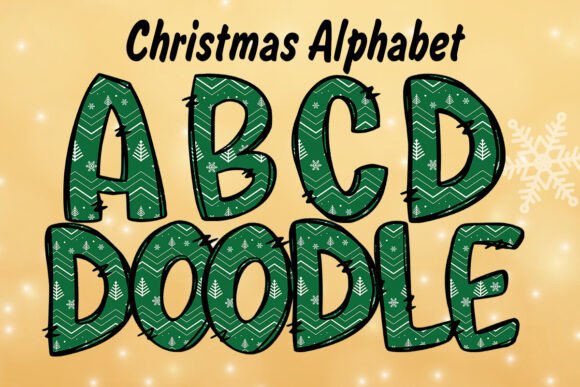
The moment I loaded the file into my digitizing software, the mood was clear. Unlike the heavy, ornate serif fonts often seen in holiday designs, this doodle style offers a playful, hand-drawn aesthetic. The green color palette immediately evokes fresh pine and minty freshness, which feels modern rather than traditional red-and-green cliché. For an embroidery project targeting younger demographics or contemporary home decor, this visual personality hits the mark.
The shapes are clean and distinct. In the world of machine embroidery, clarity is king. If the lines are too intricate or the negative space is too tight, the stitches will merge into a muddy blob. The Christmas Alphabet Green Clipart Doodle avoids this trap. The letterforms have enough breathing room to allow for proper satin stitch definition without feeling sparse. It feels like a design that belongs in a boutique nursery or a trendy kitchen, not a discount bin.
Real-World Application: From Screen to Stitch
I tested this design across several mediums to gauge its versatility. The results were mixed but largely positive when handled correctly.
- Tote Bag Embroidery: This was the standout use case. On a sturdy canvas tote, the green clipart popped beautifully. The casual, doodle-like vibe complements the utilitarian nature of a tote bag perfectly. It feels like a statement piece for a holiday market.
- Baby Embroidery: I attempted to scale this down for a baby onesie. While the theme is excellent for a "first Christmas" gift, scaling requires caution. At very small sizes, the finer details of the doodle style can get lost unless you reduce the stitch density significantly.
- Sweatshirt Embroidery: On fleece or cotton blends, the design held its shape well. However, because it is a text-based design, placement matters. Center-chest placement worked best, whereas smaller left-chest placements felt cluttered.
For an Etsy seller or anyone running a craft business, this design offers high perceived value. Customers love personalization, and the alphabet format allows for easy customization (e.g., adding a child's initial). It bridges the gap between a personalized gift and a mass-produced item, giving your handmade product that unique touch.
Technical Challenges and Where to Be Careful
No design is perfect, and there are specific scenarios where the Christmas Alphabet Green Clipart Doodle might struggle. As a reviewer, I need to highlight these pitfalls so you don’t waste time and materials.
- Small Hoop Sizes: Do not attempt to stitch this design in a hoop smaller than 4x4 inches without significant resizing. The individual strokes of the doodle style rely on a certain width to look intentional. Below that threshold, they risk looking like jagged errors rather than artistic choices.
- Textured and Stretchy Fabrics: Avoid using this on ribbed knit fabrics or heavily textured wools without a heavy-duty stabilizer. The satin edges can pucker if the base fabric is unstable. Similarly, thin fabrics like silk or lightweight rayon may show backing material through the stitch holes.
- Dense Stitch Areas: If you plan to add fill stitches behind the letters, be careful. Too much density can make the garment stiff and uncomfortable, especially on items like aprons or pillow covers that need to remain soft.
- Curved Surfaces: While this design works on caps, the flat-bottomed letters of the alphabet may distort slightly around the curve of a baseball cap brim or crown. A test run is mandatory here.
Designing for Success: Practical Notes
To get the most out of this machine embroidery design, you need to treat it as a collaborative process between your eye and your machine. Here are my top tips for ensuring a professional finish.
Thread Color Contrast: The green in the clipart is vibrant. Ensure your thread choice matches the intended mood. A dark forest green thread on black fabric creates a subtle, tonal look, while a bright kelly green on white creates a pop of energy. Always check thread color contrast before committing to a full production run.
Stabilizer Selection: Because this is a text-heavy design, stability is crucial. I recommend using a cut-away stabilizer for woven fabrics to prevent shifting over time, especially for items that will be washed frequently. For knits, a tear-away might suffice for single-use projects, but cut-away is safer for long-term durability.
Black and White Mockups: Before stitching, convert your design to grayscale in your software. This helps you visualize the balance of light and dark threads. If the design looks too dark in monochrome, you may need to adjust the stitch length or reduce the number of passes in dense areas.
Licensing and Commercial Use: As a commercial embroidery user, you must verify the license terms. Does the purchase allow you to sell finished products? Can you use it in digital mockups? Never assume rights. Check the provider’s terms to protect your small shop product business from legal issues.
Final Verdict
The Christmas Alphabet Green Clipart Doodle is a strong contender for designers looking to add a fresh, modern twist to their holiday offerings. It excels in tote bag design, kitchen towel embroidery, and nursery decor. Its clean lines and cheerful aesthetic translate well to thread, provided you respect the limitations of small-scale stitching and fabric tension.
It is not a one-size-fits-all solution. It requires thoughtful placement and appropriate fabric choices to shine. But for those willing to put in the prep work, it delivers a finished product that feels professional, charming, and highly marketable. Whether you are a seasoned pro or a hobbyist maker, this design asset adds a layer of polish to your embroidery files that customers will appreciate.
If you are looking to refresh your holiday embroidery collection with something that feels less traditional and more whimsical, this is a solid addition. Just remember: always test on scrap fabric first. Your reputation as a creative entrepreneur depends on the quality of your final stitch.